




After I first moved into my little Alaskan home, it was newly constructed and knee-deep in a muddy, largely barren yard.
The very first thing I did that spring was plant 11 bushes – together with three apple bushes which have survived moose assaults, subzero temperatures, and excessive winds.
I needed to sow a subject of wildflowers to go along with the bushes, however the blended seed bag I purchased on the nursery produced blooms that simply didn’t look wild sufficient for me.
So I planted grass as a substitute.
However I’ve since discovered that there’s a flower to fulfill my want for one thing wild-looking.
We hyperlink to distributors that can assist you discover related merchandise. For those who purchase from one among our hyperlinks, we could earn a fee.
Better of all? It pairs effectively with grass, and you may plant these throughout your garden for a subject of early spring or autumn blooms.
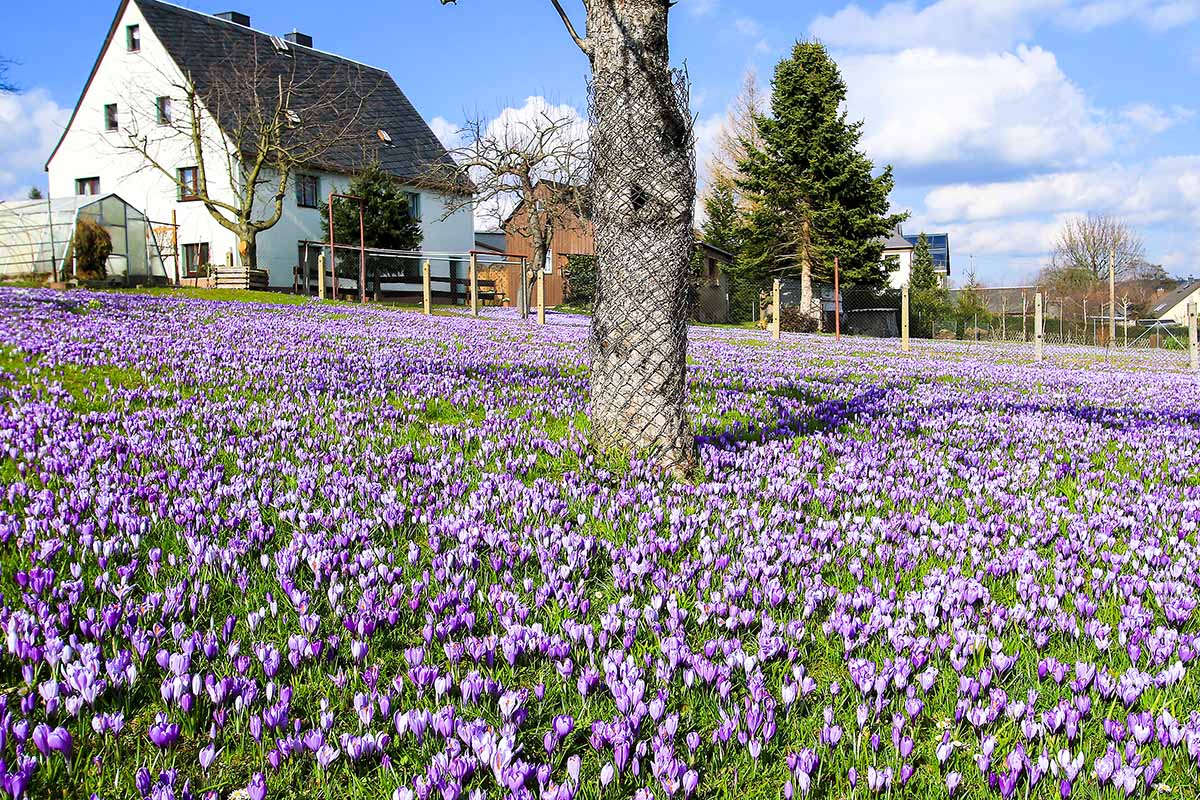
Even higher, these specific flowers turn into established amazingly effectively, offering a flower-carpeted garden every year with little effort from you.
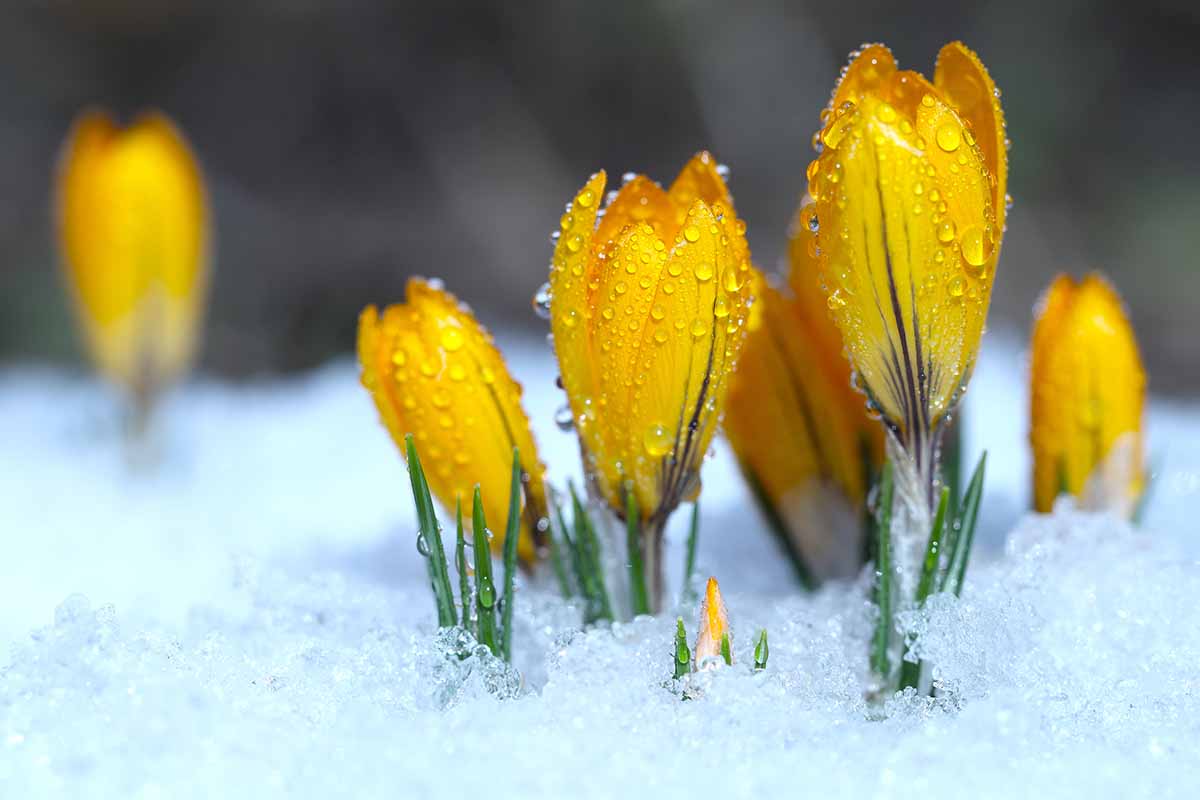
I’m speaking in regards to the dainty but tenacious crocus.
All a crocus wants is daylight, well-drained soil, and a wholesome dose of chilly as a way to thrive.
You’ll be able to develop each snow crocus, Crocus chrysanthus, and the bigger Dutch crocus, C. vernus, in USDA Hardiness Zones 3 to eight.
Which implies I’ve planted these showy members of the iris household, Iridaceae, throughout my garden.
This obtained me questioning, although: simply how hardy are crocuses? Are you able to plant them within the winter? Do the buried corms keep alive in deep freezes?
Let’s discover out.
Crocuses and Chilly Soil
Most crocus corms have to go within the floor six to eight weeks earlier than the primary frost as a result of – and right here’s the actually neat factor about them for gardeners who reside in colder climates – they want the chilly.
You’ll be able to even develop them in Zone 9 – when you put the corms in your fridge for not less than 4 months earlier than planting them out within the spring.
Crocuses are native to areas with chilly winter temperatures, so they really want to remain chilly – in soil 35°F or under – for about 4 months within the wintertime.
With out this chilling interval, they gained’t bloom.
Can Crocuses Survive Deep Freezes?
The wonderful factor about them is that temperatures can go means, means under 35°F and the corms might be simply tremendous.
In Zone 3, the intense low is -40°F. Ought to it get that chilly in your space, your bulbs will stay fortunately nestled within the soil till the earth warms up sufficient for them to bloom in early spring.
You are able to do one thing to assist your crocuses keep heat when you reside in Zone 3 or 4, although: plant your corms 4 inches deep within the soil as a substitute of the standard three inches.
It will assist hold them insulated all through the winter chill.
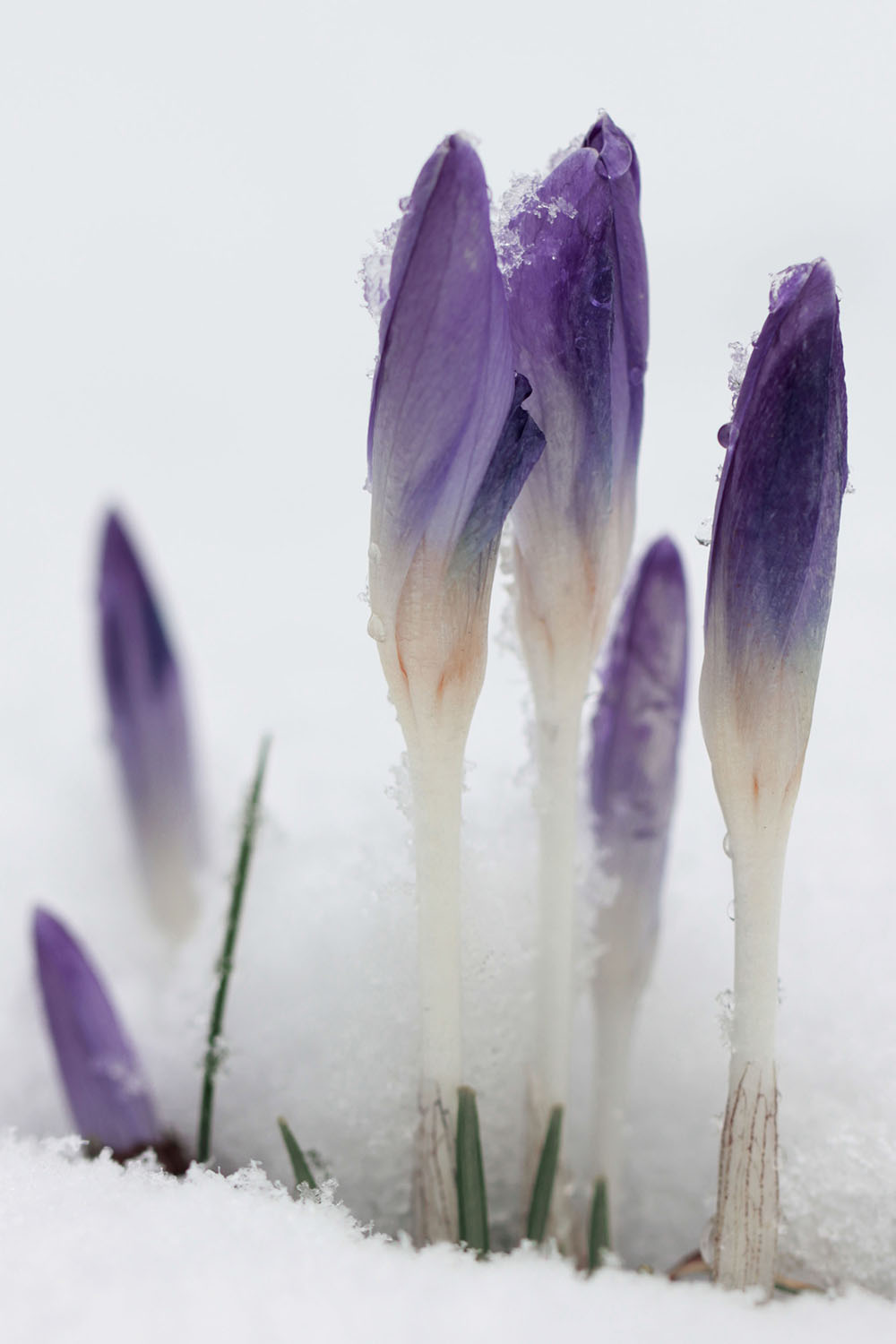
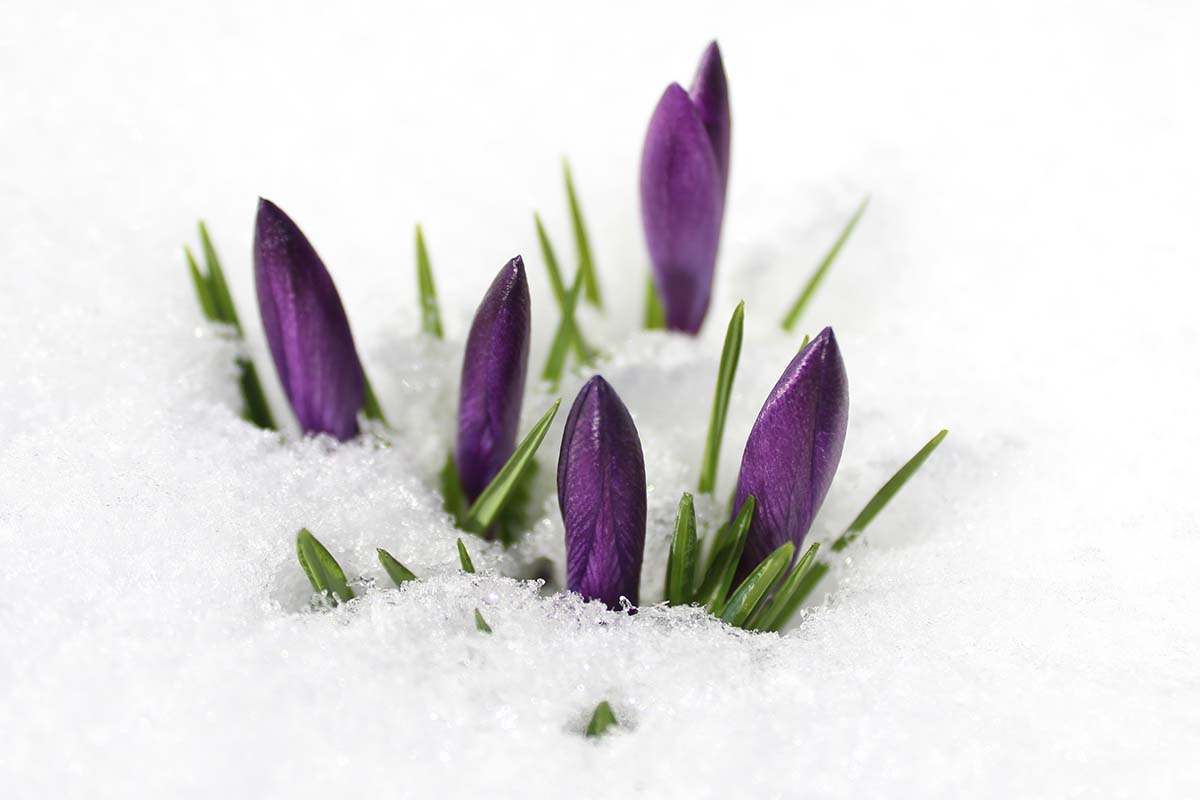
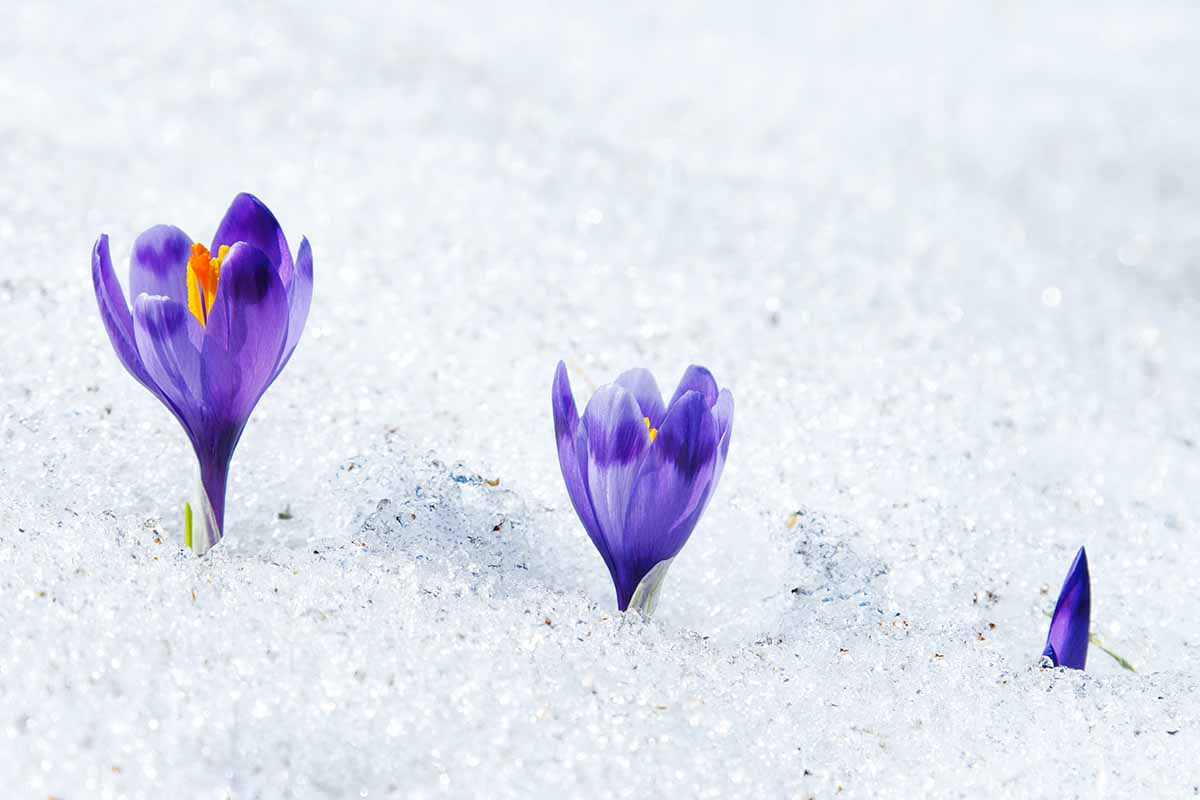
Crocuses are affected person, hardy flowers, and there’s no reward fairly like watching them bloom via a layer of snow, heralding the arrival of spring.
Why Do Crocuses Want the Chilly?
Right here’s the reasoning behind their wintry wants, in line with a paper revealed in 2015 by Helmut Kerndorff, Erich Pasche, and Dörte Harpke for the Austrian botanical journal, Stapfia:
Whereas dwelling gardeners virtually all the time propagate crocuses from their corms, the plant originates from a seed that grows right into a mature corm over a number of years.
As a result of the seeds take a very long time to germinate, it’s best for dwelling gardeners to propagate the blooms by shopping for corms.
However the life cycle of a crocus offers us a touch as to why it loves the chilly.
When the seed germinates, it grows only one spiky leaf and places all its vitality into producing the corm. This occurs in midwinter or early springtime.
Like the alternative of a bear who hibernates all winter, this corm then goes dormant throughout the scorching summer season.
As quickly because the soil temperature drops to 60°F, the corm wakes up and begins rising roots and shoots. That is the start of its new life cycle.
When the soil temperature drops to 35°F or under, the corm enters a relaxation interval, to not be confused with its summer season dormancy.
In contrast to scorching climate, the freezing temperatures set off a biochemical response within the plant that tells it to bloom within the spring.
The crocus retains its tender new roots and shoots tucked within the floor all winter lengthy, the place the chilly temperatures immediate the starches within the plant to interrupt down into glucose.
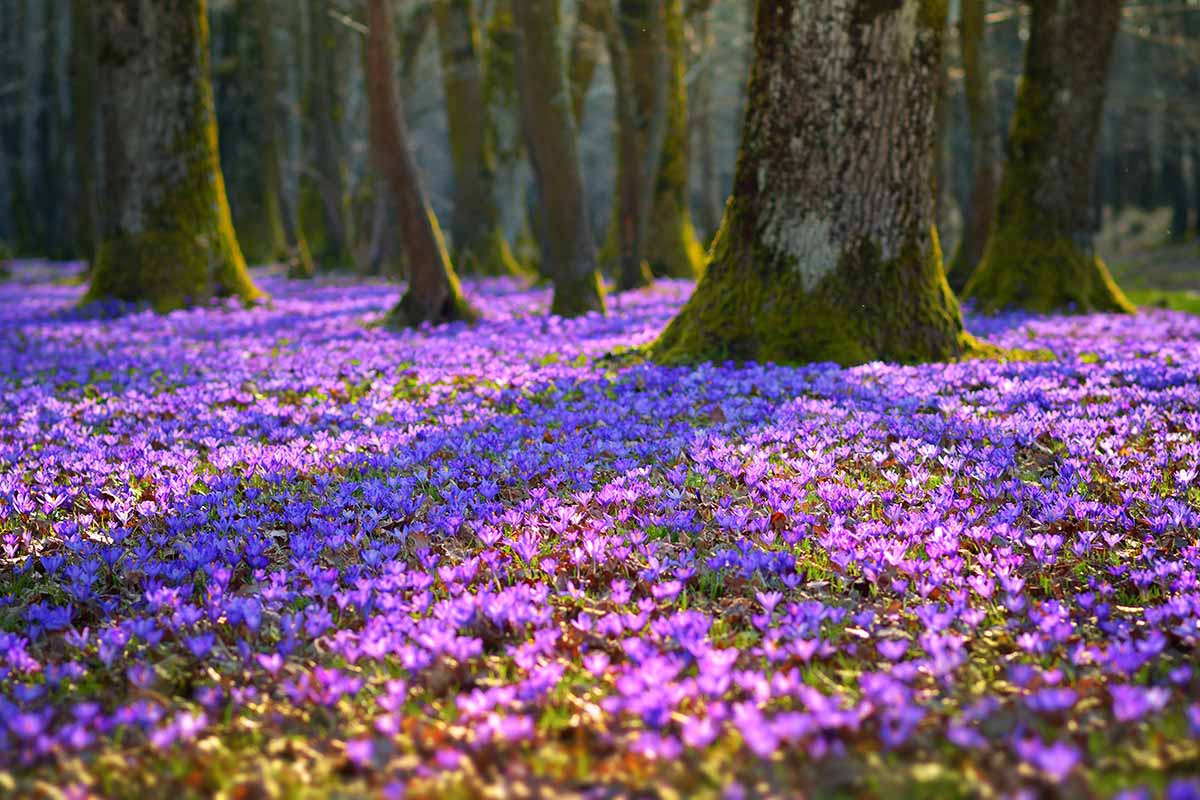
In line with an article from the Netherlands Bulb Council, revealed in Horticulture Replace by Texas A&M College, this retains the moisture contained in the plant from freezing.
The insulation from the earth helps hold the corm cozy and moist, till temperatures heat again up simply sufficient for the plant to rapidly push its flowers and leaves up into chilly springtime lawns.
Within the second season of its life, a secondary corm known as a “daughter” develops on the base of the flowering stalk, on high of the unique corm.
Roots develop from this secondary corm and it will definitely replaces the “mom” corm. It will occur yearly thereafter.
And the crocus can push flowers up inside hours of a good temperature change – something above about 59°F.
That’s why you may see nothing in your garden someday after which get up to the purple, white, yellow, or pink blooms popping cheerfully via the snow the following morning.
With no chilling interval, the crocus may nonetheless develop, however the blooms and leaves can be stunted and weak.
Sadly for me, you may’t really plant crocus corms within the winter. It’s clear that the bulbs want loads of time to develop and chill as a way to prepare for his or her vibrant debut within the spring.
Nurseries usually supply bulbs on the market beginning within the springtime, like these beauties from Eden Brothers.

Crocus Bulbs in Combined Colours
So, you may plan your crocus backyard all 12 months lengthy and be able to plant as quickly because the time is true.
Will Snow Harm My Crocuses?
Removed from hurting your crocus bulbs, snow acts as an insulator to maintain your corms from drying out within the wintertime.
And naturally, the beautiful blooms will typically poke up via late-winter snow – typically simply in the meanwhile when it begins to really feel like spring won’t ever arrive.
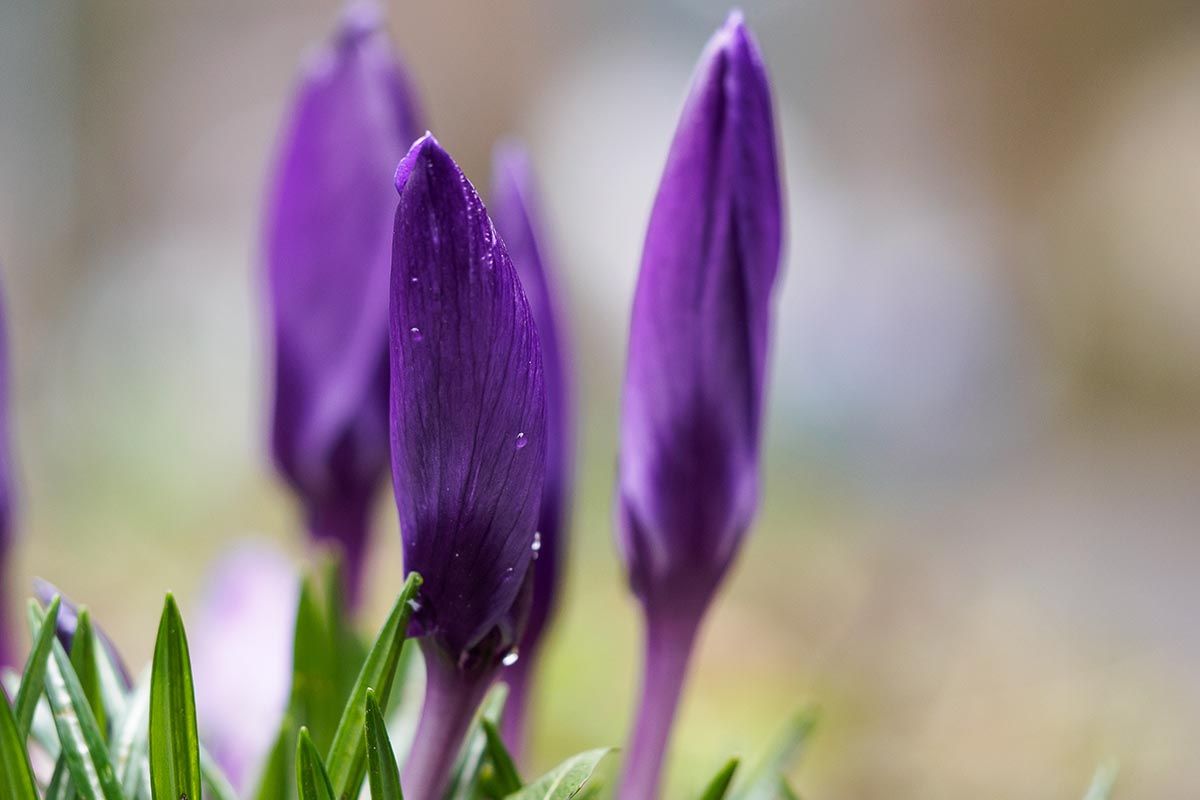
Even higher? As soon as that snow melts, it supplies much-needed water to the thirsty roots.
If it snows once more after your crocus blooms are above the bottom, the blooms will shut like they do at night time and on wet days.
You might need to shield the blooms with a frost barrier cowl, or floating row cowl, to stop them from getting crushed.
However more often than not, even when they do flop over, the flowers will spring again up after the snow melts.
What if there’s a chilly snap after they’ve budded or bloomed?
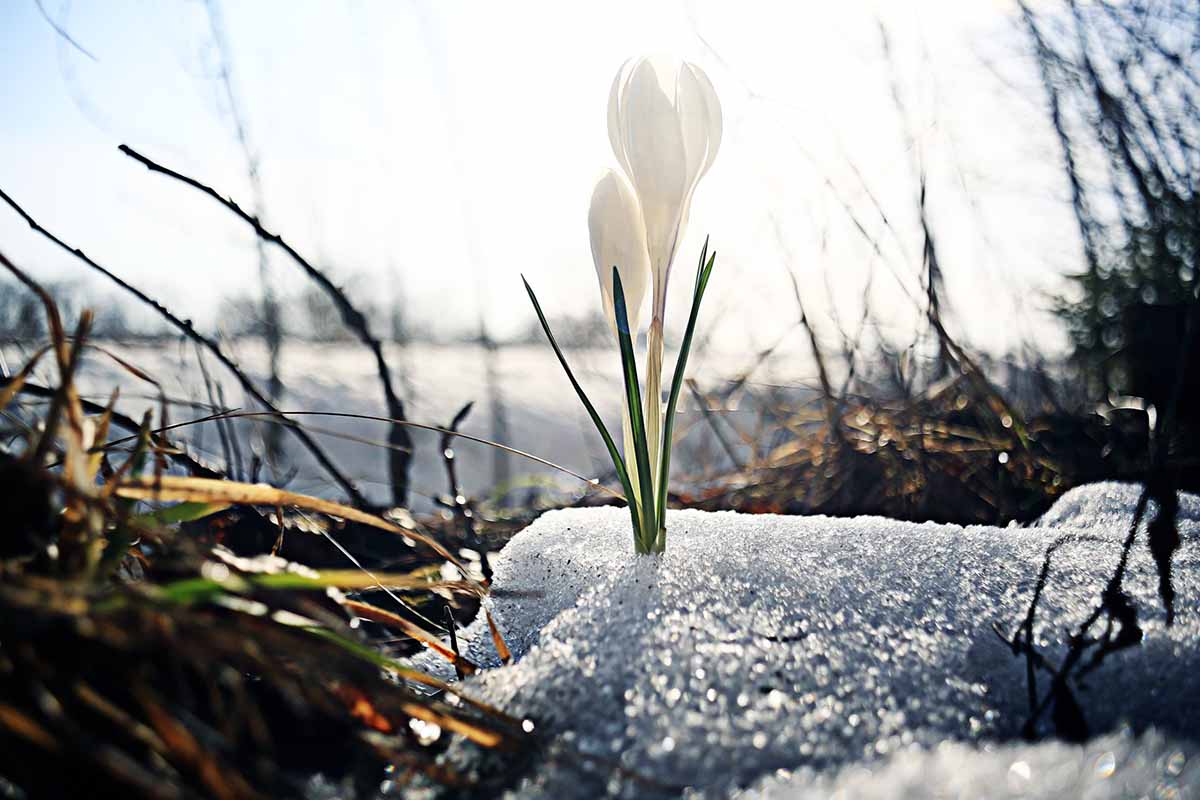
Most varieties will hold their flowers even via frigid late-winter climate, so long as it warms as much as over 32°F throughout the day.
Which means it’s heat sufficient for the roots to get water, whether or not you water the vegetation your self or the melting snow does it for you.
If daytime temperatures hover under 32°F although, the chilly may dry the flowers out, particularly if there’s a snapping wind to go together with it.
This could trigger dry wilt, ensuing within the dying of the blooms.
You’ll be able to cowl the flowers to assist them keep heat and moist via dangerous climate, or you may even spray the petals and leaves with water to create a movie of ice on the vegetation.
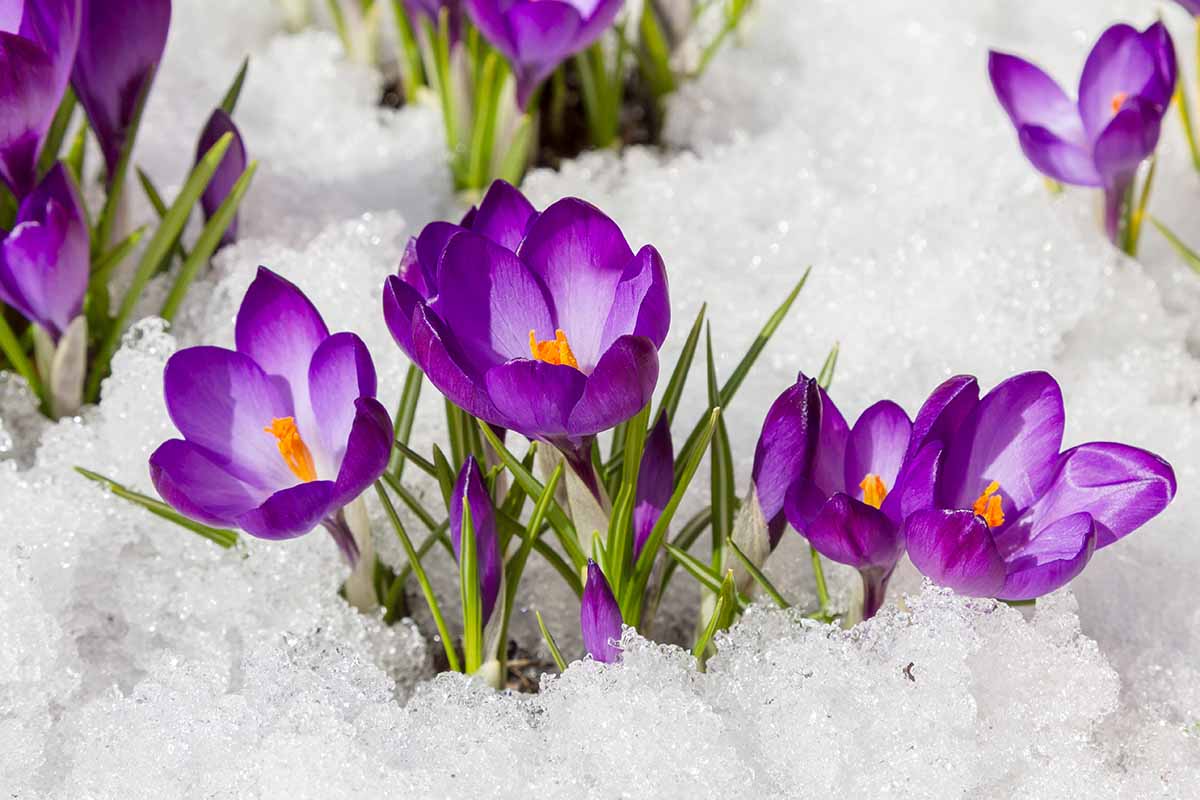
The ice will hold the chilly, dry climate from draining the vegetation’ moisture.
Apparently, that is what gardeners for Holland, Michigan’s annual Tulip Time Competition do to maintain their tulip buds and blooms secure via chilly stretches, and it’ll work with these flowers too.
If the blooms do die from the chilly, nevertheless, don’t despair. And don’t reduce away any of the lifeless foliage till it’s utterly brown.
Your crocus will bloom once more the next 12 months.
Even higher, the blooms are pollinated and fertilized every spring, inducing the expansion of recent seeds that start their very own life cycles in order that inside a number of years, with just a little luck, you’ll have a subject of beautiful crocuses.
What About Saffron Crocus?
In contrast to snow or Dutch varieties, saffron crocus (C. sativus) blooms within the fall and is hardy in USDA Hardiness Zones 6 to 10.
This selection wants planting in early August, and it sometimes blooms inside two months.
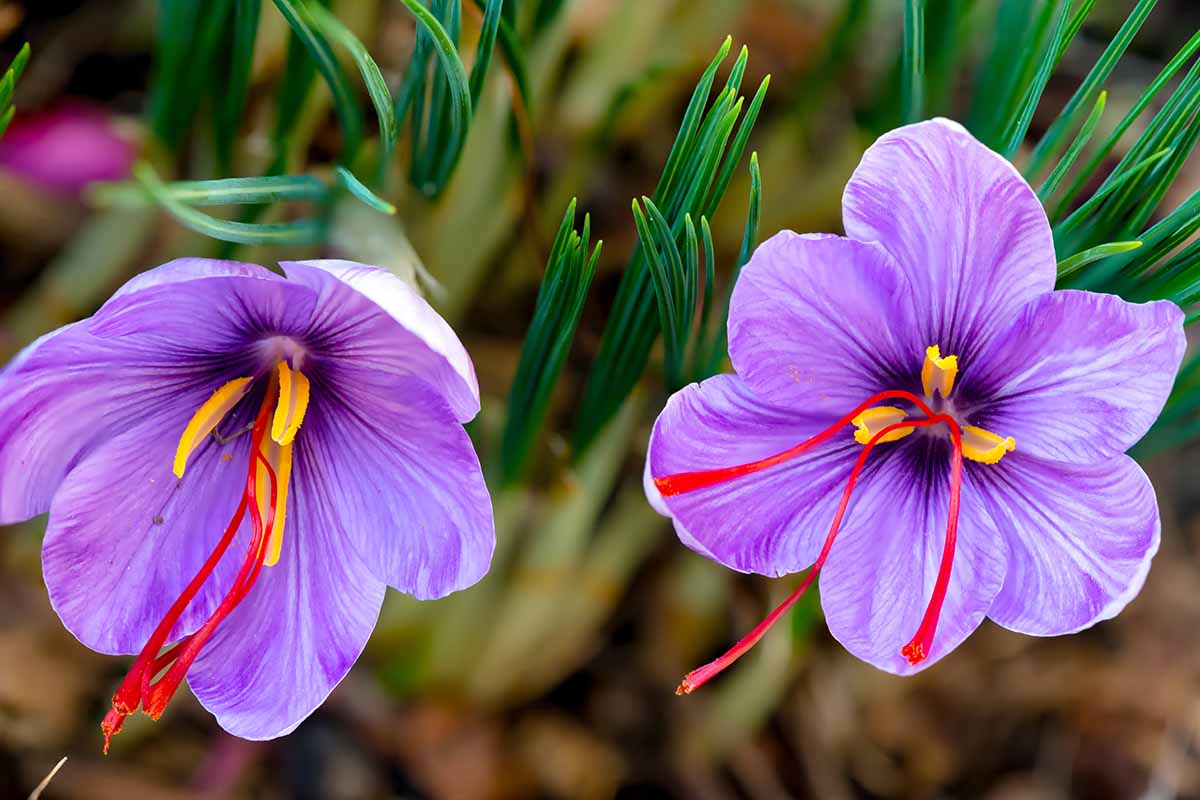
To maintain saffron crocus corms heat via the winter, you’ll should dig them up and convey them indoors after the blooms die again, and replant them the next summer season.
You could find saffron crocus corms obtainable for buy from Eden Brothers.
Crocuses Had been Made for Lovers of Snow
As you may see, spring-blooming crocuses are the proper flower for many who reside in chilly, northerly climates (like me).
See this subject of snow that’s my yard proper now?

It might be the proper insulator for a subject of crocuses.
And subsequent winter, that’s precisely what’ll be ready for me beneath these glittering snowflakes.
If you’d like a candy reward for enduring months of winter, plant crocuses in your yard.
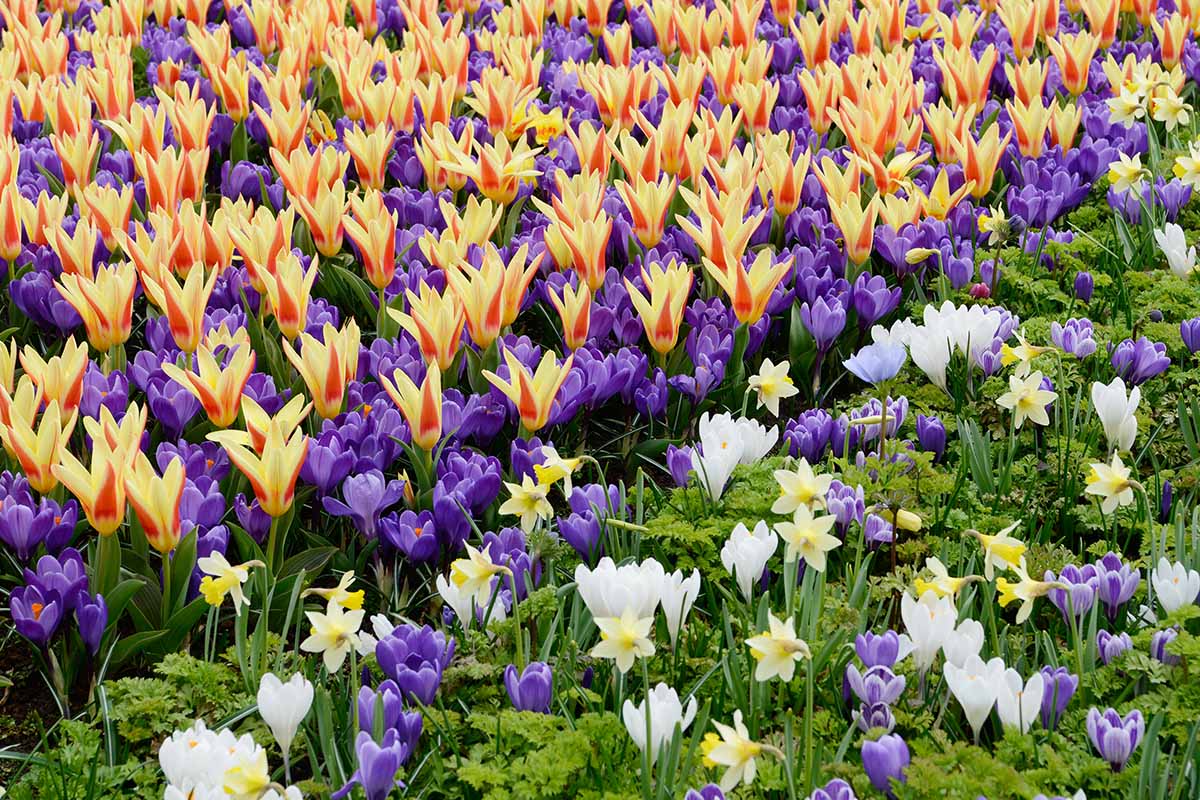
You’ll be able to even plant them alongside tulips, snowdrops, and daffodils for a surprising combination of cold-hardy blooms to brighten your springtime yard.
Do you could have any questions, feedback, or tricks to share? In that case, tell us within the feedback under!
And for extra crocus rising ideas and strategies, remember to take a look at these guides:
Photographs by Laura Melchor © Ask the Consultants, LLC. ALL RIGHTS RESERVED. See our TOS for extra particulars. Initially revealed January 29, 2020. Final up to date November 1, 2026. Product picture by way of Eden Brothers. Uncredited pictures: Shutterstock. With extra writing and enhancing by Clare Groom and Allison Sidhu.