


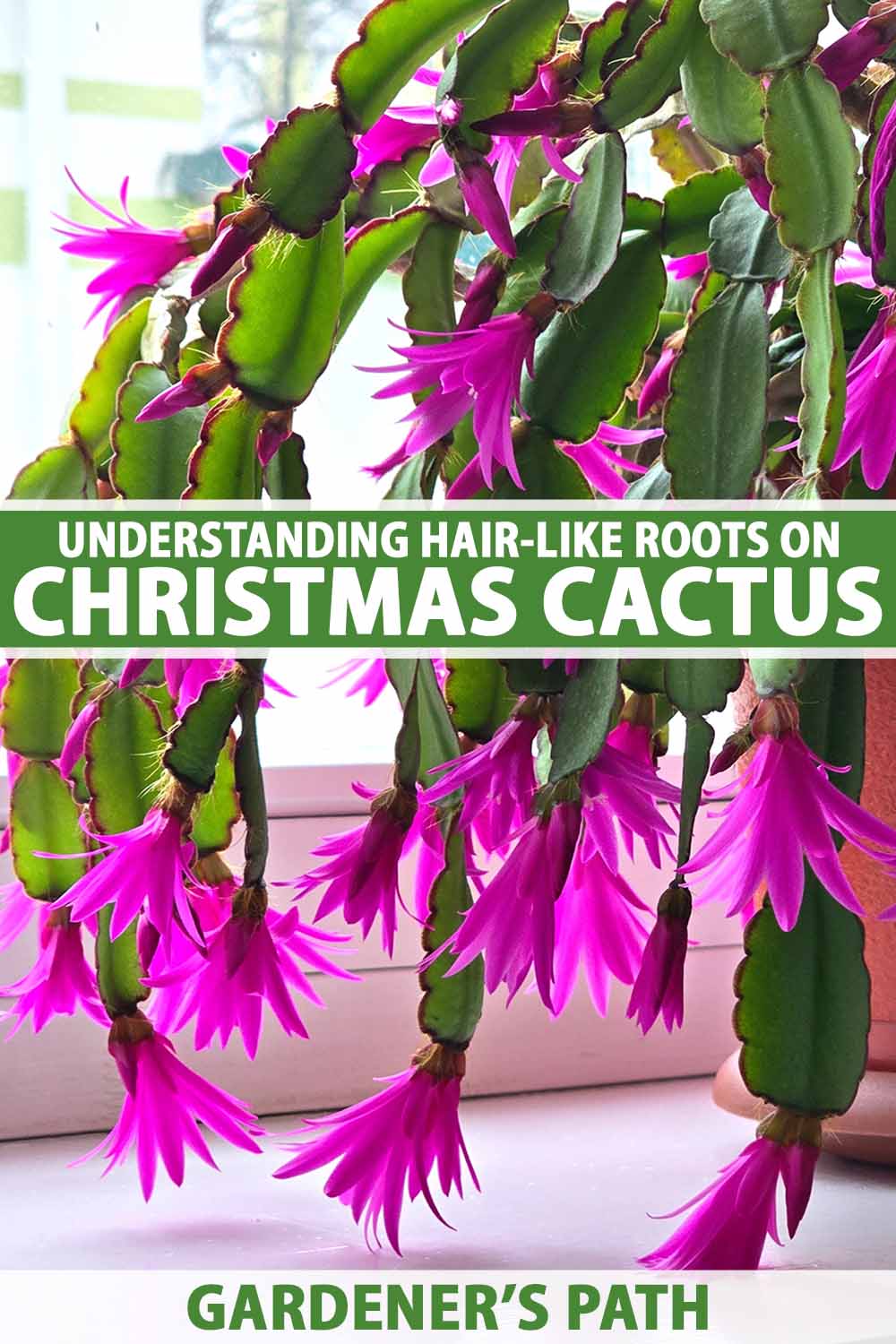
Christmas cactus, Schlumbergera spp., is an umbrella time period for a number of species and cultivated sorts of South American epiphytes that cling to bushes and rocks for help within the wild, drawing sustenance from rainwater and bits of natural matter of their speedy surroundings.
It’s a common indoor houseplant due to the profusion of blooms that seem between Thanksgiving and Christmas, relying upon the variability.
Generally vegetation develop hair-like growths between their stem segments, or cladodes. These are known as aerial roots.
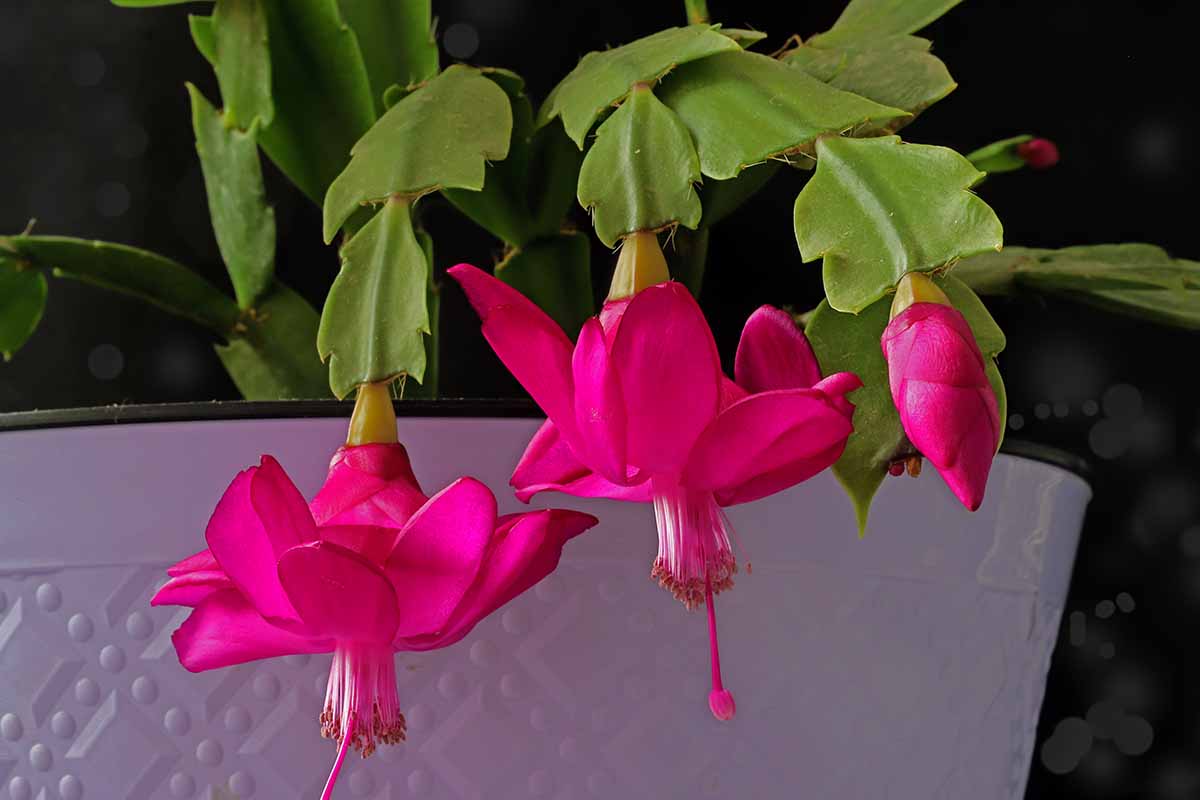
In our information to rising Christmas cactus, we focus on all you must know to domesticate this tropical epiphyte indoors.
On this article, we discuss aerial roots on Christmas cacti, and what they might imply to the house gardener.
Right here’s the lineup:
A plant’s habits can train us so much about its wants, so let’s dig in and resolve this!
Understanding Aerial Roots
Aerial roots develop above floor from stem or leaf tissue.
Their growth could also be a typical attribute of a species that’s all the time current, or an adventitious, random prevalence that coincides with a plant’s have to adapt to some change in its surroundings.
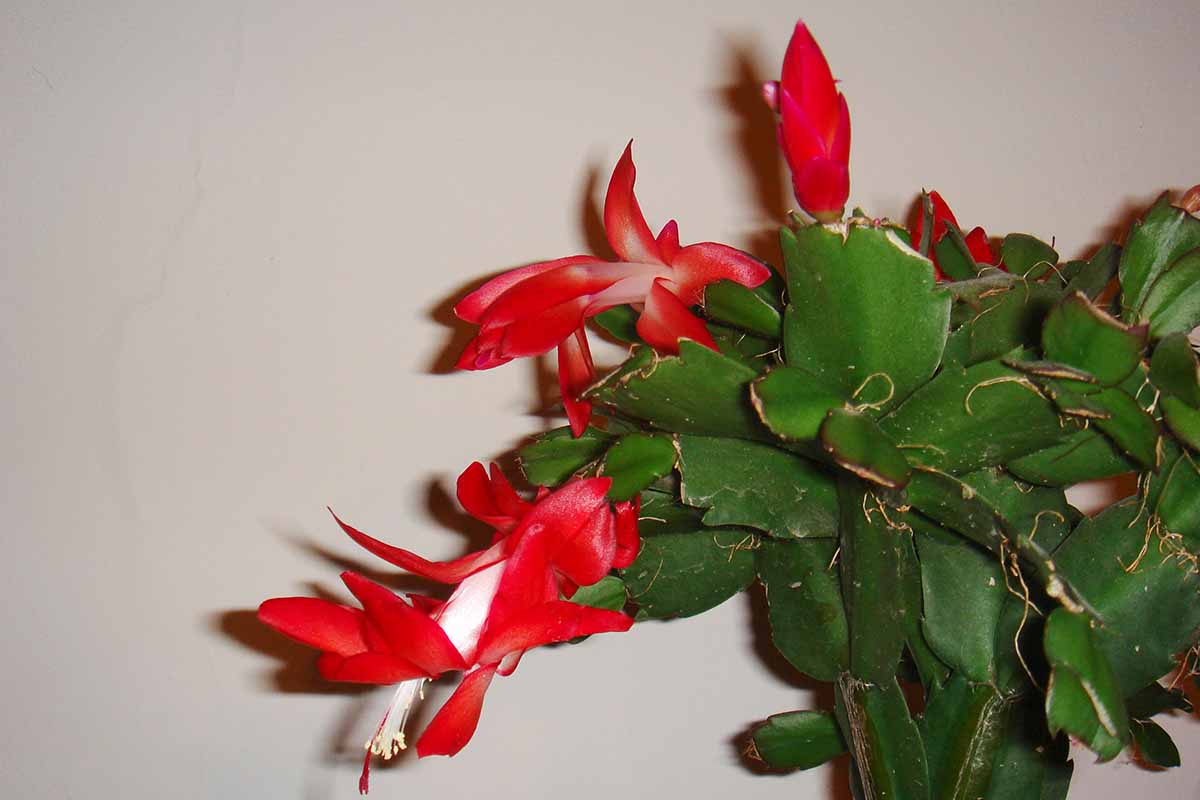
4 main features of aerial roots are: help, moisture absorption, nutrient uptake, and oxygen consumption.
Within the case of tropical Schlumbergera that of their pure habitat cling to bushes and rocks within the sun-dappled shade of a rainforest cover, these hair-like, brownish growths seem when basic wants are unmet.
Let’s discover out what they’re.
Adapting to Survive
A Christmas cactus is wired to develop in a tropical local weather the place it may partake of the out there air, gentle, vitamins, and water.
When it doesn’t obtain sufficient of those necessities, the plant reacts and responds. A method it tries to meet its wants is by producing aerial roots from its foliar tissue.
In nature, an absence of daylight could trigger bending or stretching in an try and find extra and treatment the deficiency.
To maintain a safe footing, it could develop adventitiously for added help whereas doing so.
As well as, if the sub-surface roots that soak up moisture, vitamins, and oxygen turn out to be oversaturated, they’re unable to perform.
Producing a backup system turns into crucial, to soak up what it may from the air for sustenance.
The identical wants apply to these grown as houseplants. Somewhat detective work will often reveal the the reason why these fragile growths have made an look.
Evaluating Causative Components
Whereas it’s not unusual for a Christmas cactus to develop aerial roots, this isn’t simply one other pure trait, however slightly, a response to some sort of environmental stress.
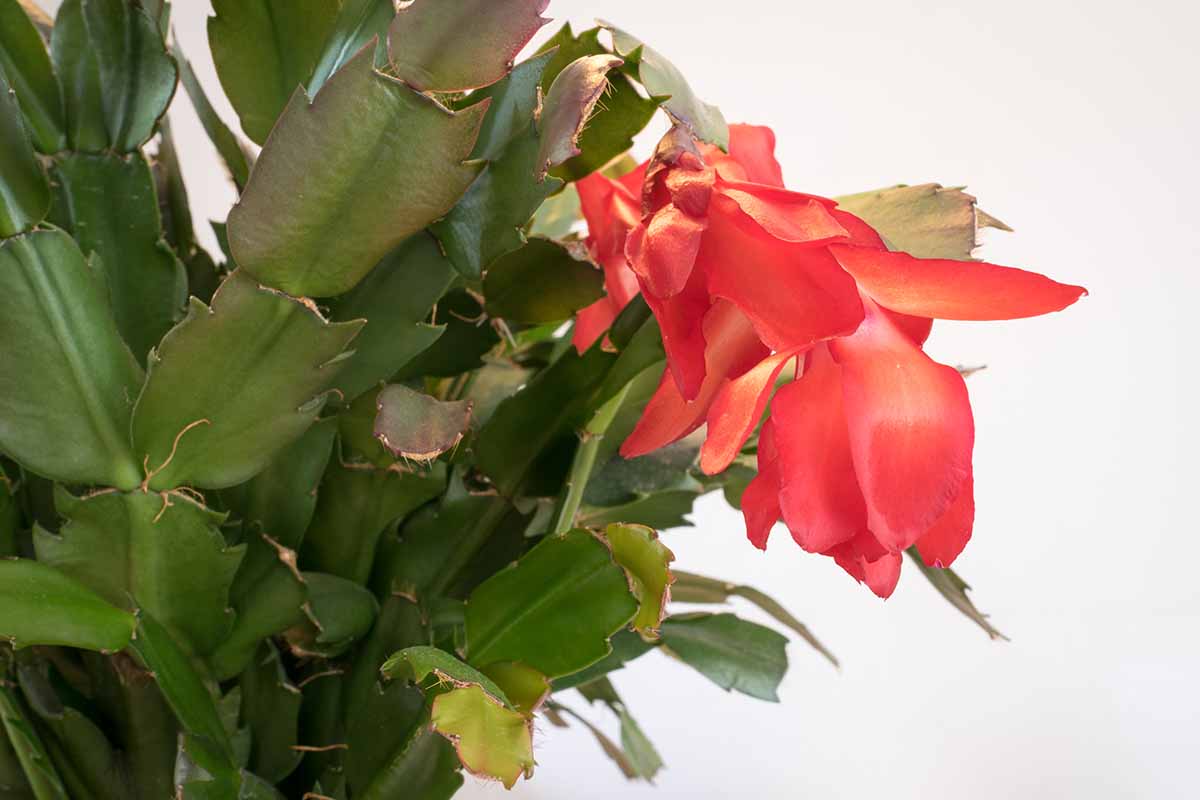
Six frequent stressors which will induce adventitious progress are: unsuitable gentle, inappropriate temperature, oversaturation, lack of water, lack of vitamins, and traumatic occasions.
Let’s discover every of those potential stressors:
1. Unsuitable Mild
Schlumbergera species are phototropic, which means they’re extremely aware of gentle modifications.
To get a Christmas cactus to bloom, it’s essential to induce dormancy by manipulating the sunshine and temperature to imitate winter circumstances.
In the course of the rising season, constant oblique daylight is required.
Too little could lead to improper chlorophyll-to-energy conversion, and an excessive amount of could scorch buds, leaves, and blossoms.
A constant provide of applicable gentle is essential to forestall undue stress to the plant, which can outcome within the formation of aerial roots as they try to achieve for brighter circumstances.
2. Inappropriate Temperature
The best temperature for indoor cultivation is between 70 and 80°F.
Temperatures which might be too chilly or too scorching, or those who fluctuate broadly, could have an adversarial impact.
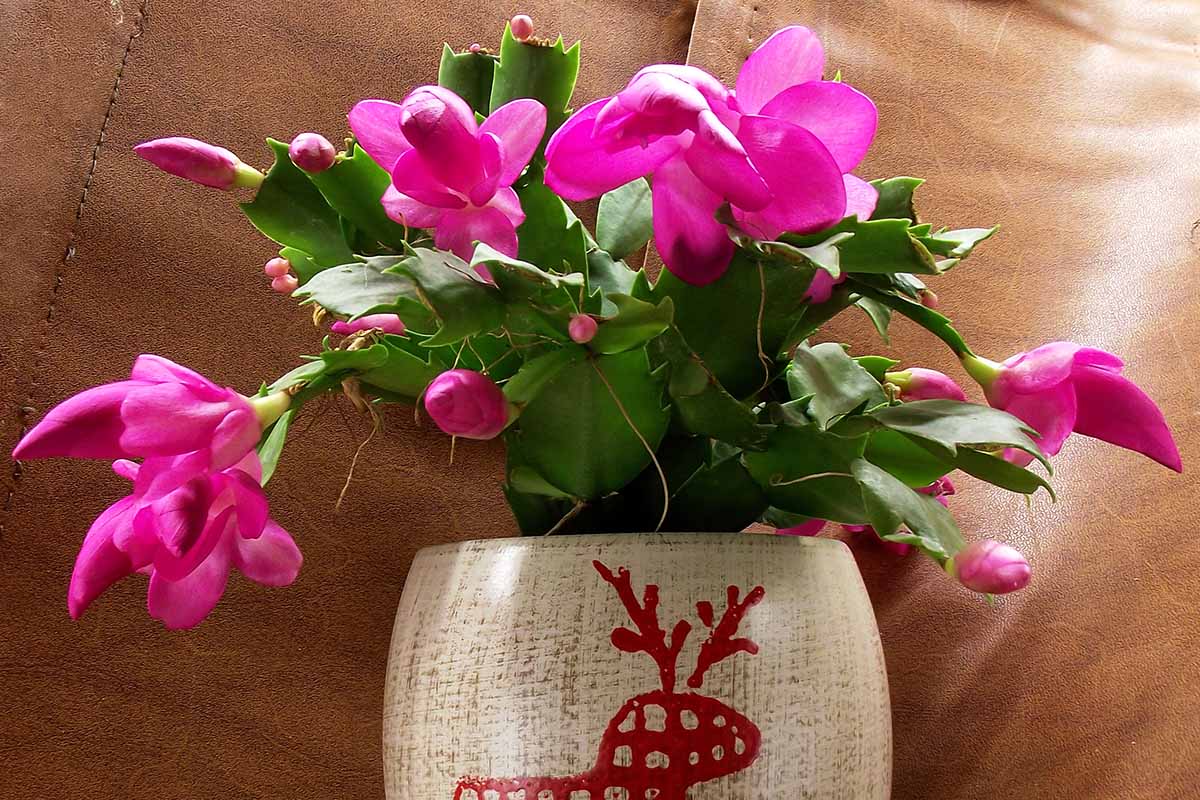
Simulated indoor dormancy for the aim of bud formation requires temperatures within the 50 to 55°F vary.
Consistency of temperature throughout each the rising season and the interval of dormancy helps to attenuate stress, whereas fluctuating temps could lead to hairlike growths.
3. Too A lot or Too Little Water
Along with inflicting the potting medium to be soggy or oversaturated, an overabundance of moisture could trigger yellowing leaves, rotting plant tissue, and an lack of ability to take up vitamins and water by way of roots under floor.
To keep away from probably deadly issues of moist toes, in addition to the manufacturing of the hairlike constructions in query in response to emphasize, be certain the pot your Christmas cactus is rising in has an adequately sized gap within the backside, to permit extra water to circulate by means of.
Additionally make sure that the potting combine is free and well-draining.
Don’t water till the highest one to 2 inches of potting medium feels dry. And water solely on the soil degree, not on the leaves.
You might be able to assist a plant get well by unearthing it, rinsing the sub-surface roots clear, trimming off any rotten plant materials, and repotting it in new, flippantly moist potting medium.
It will trigger extra stress to your plant within the brief run, however repotting could in the end reserve it.
You possibly can learn extra about selecting the right potting combine for Christmas cacti right here.
Alternatively, you’ll be able to take cuttings to propagate for a totally contemporary begin.
Underwatering may be equally detrimental. Leaves that lose their plumpness and start to curve are indicators of too little moisture.
And growths could seem, in an effort to glean moisture from the air.
In the event that they haven’t fully dried up, they can bounce again with an intensive soaking and draining, adopted by a vigilant routine of watering when the highest one to 2 inches of potting medium are dry.
Remember that although they’re succulents, they nonetheless require irrigation every now and then, usually extra when they’re blooming and fewer when they’re dormant.
4. Lack of Vitamins
Nutrient deficiency could cause adventitious progress for the aim of in search of out new sources of meals, when sub-surface roots fail to take up the required nourishment.
In case your cactus is giant and previous, your potting medium could also be depleted of vitamins.
Repot in a contemporary medium that provides good drainage, and fertilize with a cactus and succulent product.
Each young and old vegetation profit from the addition of fertilizer through the rising season. Comply with bundle directions for greatest outcomes and.
Be taught extra about feeding Christmas cacti right here.
5. Traumatic Occasions
Lastly, flora can undergo a level of shock when it experiences traumas corresponding to having cuttings taken for propagation, or struggling unintentional harm.
Aerial roots could seem in response to the upset. Returning your plant to reliably fixed circumstances will help it to readjust to its environment.
Hear When Your Plant Talks
When a plant actually reaches out in search of assist, with specialised progress that will increase its potential to stabilize its place, and enhance its consumption of important nourishment, it’s time to judge its dwelling surroundings and up to date occasions.
With just a few changes, adventitious roots will wither and drop off, and you’re prone to see few to none thereafter. That is encouraging proof of optimum functioning.
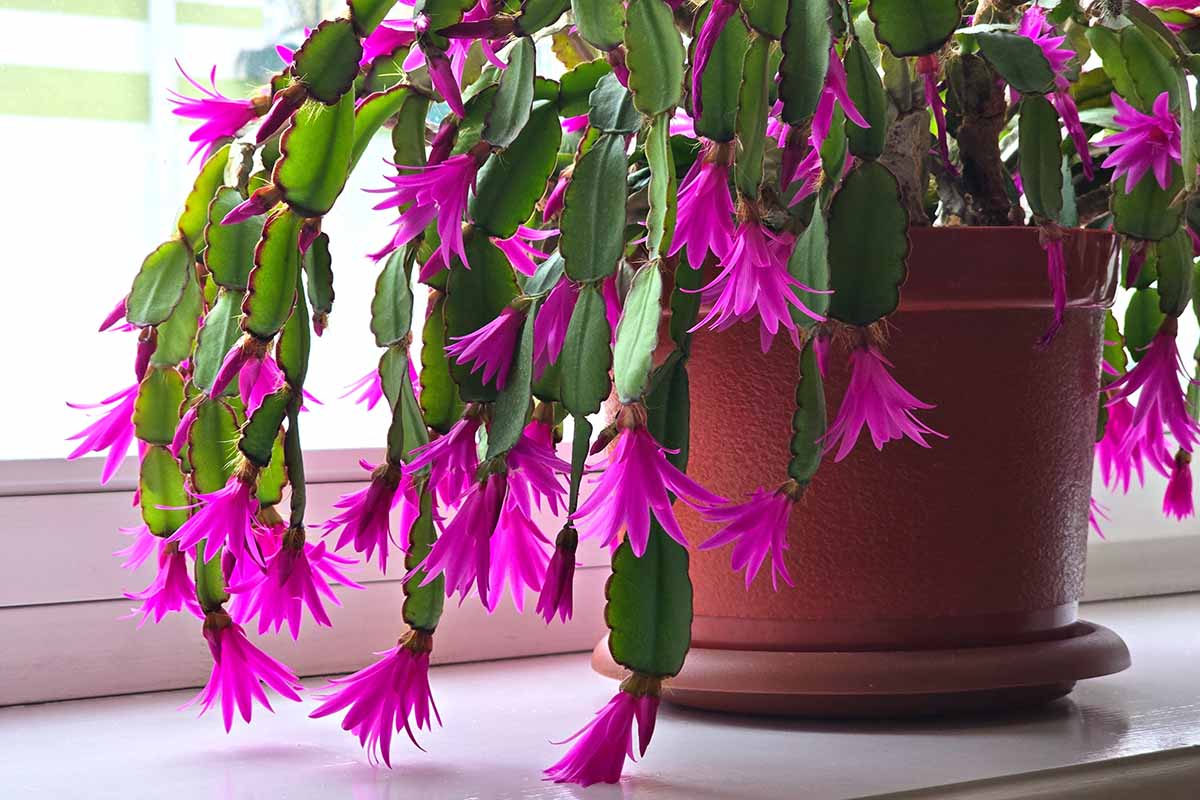
Some people discover the hair-like growths ugly and snip them off, however I desire to maintain them as reminders of rainforest days and wild Schlumbergera that fend for themselves.
Have you ever seen these by yourself vegetation? What did you do to regulate your cacti’s care routine? Please ship us a message within the feedback under!
And for extra details about rising Christmas cactus, add these guides to your studying listing subsequent:
© Ask the Specialists, LLC. ALL RIGHTS RESERVED. See our TOS for extra particulars. Initially revealed December 8, 2020. Final up to date November 4, 2026. Uncredited photographs: Shutterstock.